Use seasons as context
Mauritius has a warm, humid summer from November to April and a relatively cool, dry winter from June to September. May and October are transition months. These island-wide patterns help with planning; they do not describe a particular day in the gorge.
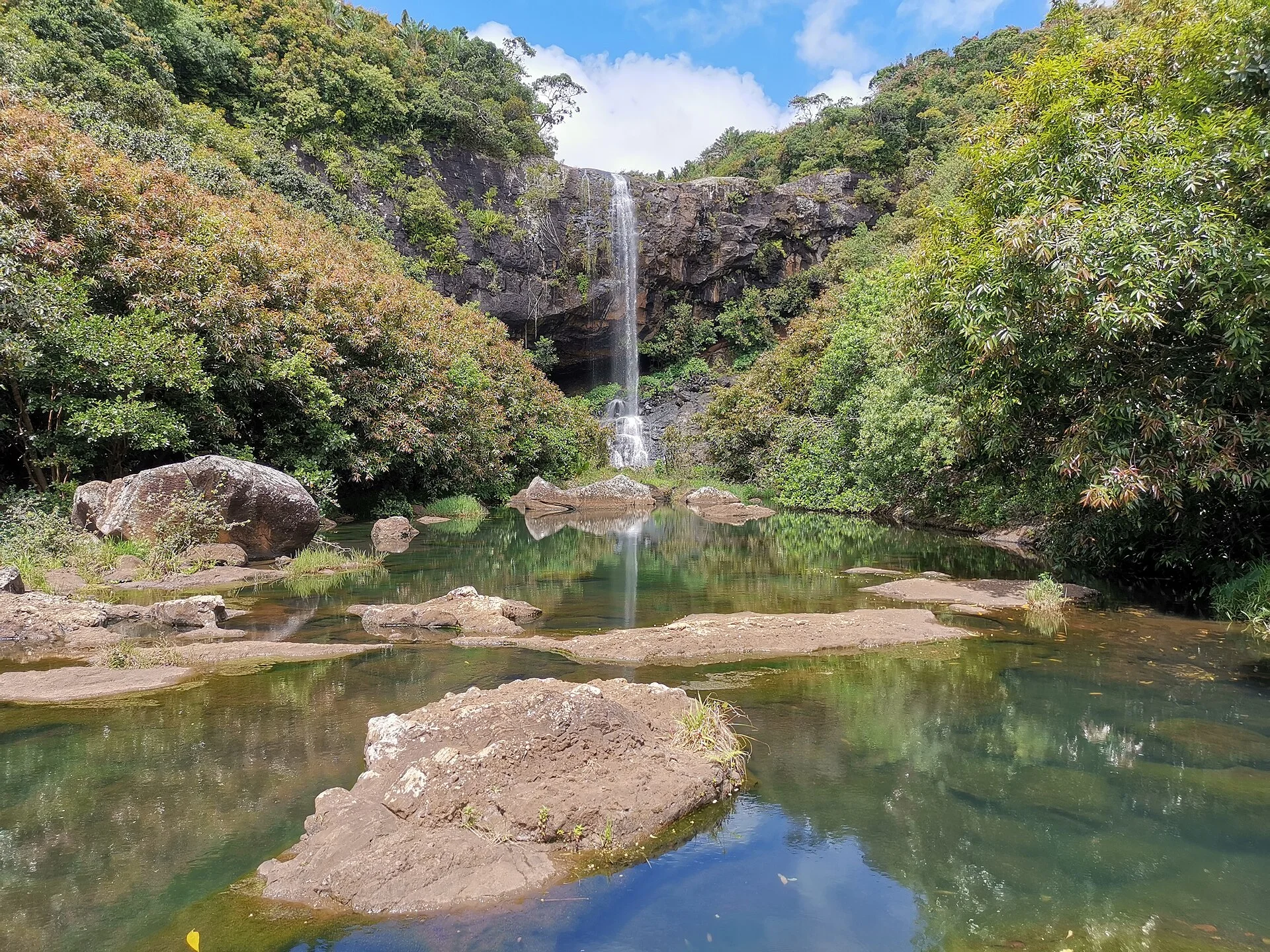
A drier month can still bring rain. A dramatic waterfall photograph says nothing about whether a route is suitable when you arrive.
Look beyond the hotel forecast
The coast and the interior can experience different weather. Rain in the catchment can affect the river even when the sky immediately above you looks clearer. Use the official forecasts and warnings, then confirm the operator’s decision for the chosen route.
Do not enter a route on the strength of a weather icon, an old review or another group’s plan. Local assessment and current instructions take priority.
Keep a flexible alternative
Place the activity earlier in your holiday if possible, leaving room to reschedule. Read the weather cancellation terms before booking and understand how refunds, changes and alternative outings are handled.
Warm layers after a wet activity may be useful even in a tropical climate. Ask about seasonal wetsuits for canyoning and bring the weather protection requested by your guide.
Weather & seasons
The relatively cooler, drier Mauritian winter can make walking more comfortable. Water and shaded sections may feel cold. Rain still occurs; check the inland forecast and ask about the day’s conditions.
Transition months between the main seasons. Plan with the current forecast rather than expecting one fixed pattern. A flexible day in your itinerary helps if an operator needs to reschedule.
The warmer, more humid summer brings a larger share of annual rain. Stronger flow can look spectacular, but it can also prevent an activity. Leave room for weather changes and follow official warnings.
Seasonal patterns help you plan. They are not a forecast or a decision about canyon conditions.
Check the official forecastSources and editorial notes
Sources inform the guide. Operator details describe that operator’s itinerary, not every visit.
Mauritius Meteorological ServicesMauritius Meteorological Services